Nourishment lives in the ingredients. Protein, minerals, vitamins, fats, and fiber give familiar foods their different contributions to a satisfying diet.
Look for the richness inside
Price’s research encourages a closer look at what food supplies. A meal can bring energy, building materials, and the vitamins and minerals involved in the body’s daily work.
His accounts of dairy and rye in Switzerland and seafood and grains in the Hebrides show how different food traditions furnished the table. Start with that curiosity: what nourishment is present in the foods around you?
Read Price’s original accountExplore what a food contributes
Calcium and protein
Milk and yogurt bring calcium and protein to the table. Cheese offers another way to enjoy the nourishment of dairy.
Try yogurt with oats, cheese with a slice of rye bread, or milk alongside a meal. Use pasteurized dairy for these everyday examples.
Calcium: food sources and functionsProtein and vitamin D
Fatty fish such as salmon and trout provide vitamin D. Sardines and canned salmon with edible bones contribute calcium, too.
Serve cooked fish with potatoes and greens for a meal built from familiar ingredients.
Vitamin D: food sources and functionsProtein and a nourishing yolk
Eggs supply protein, and the yolk contributes some vitamin D. They are a versatile ingredient for breakfast, lunch, or supper.
Try cooked eggs with vegetables, bread, or a bowl of leftover potatoes.
Vitamin D: food sources and functionsVitamin K1 and fiber
Leafy greens bring vitamin K1 and fiber to a meal. Vitamin K participates in the work of proteins involved in blood clotting and bone metabolism.
Enjoy greens cooked alongside a main dish or as a fresh, well-washed salad.
Vitamin K: food sources and functionsFiber and plant protein
Beans, lentils, oats, and other whole grains bring fiber to the table; beans and lentils also contribute protein.
Soups, porridge, and grain dishes make these foods practical everyday staples.
Food variety and nutrient contributionsMilk fat, richness, and flavor
Butter concentrates the richness of milk fat. Price’s interest in its vitamin activity led him to study samples from different pastures and seasons.
Explore the butter guide for his account of the connection between animal feeding and the food on the table.
Fu and colleagues, 2017 · Vitamin K in dairy foodsNutrients working together
Calcium gives bones and teeth their structure. Vitamin D helps the body absorb calcium. These connections make food knowledge practical: understand what different ingredients contribute and enjoy them together.
Calcium: food sources and functionsFatty fish supplies vitamin D, and egg yolks contribute smaller amounts. Dairy offers familiar sources of calcium. A varied table gives these foods a place in everyday life.
Vitamin D: food sources and functionsMake nourishment a daily habit
- Learn the foods you enjoy preparing and eating.
- Bring a variety of ingredients to the table.
- Get curious about growing conditions, season, and preparation.
- Build meals you can return to with pleasure.
Continue with simple ideas for your own table.
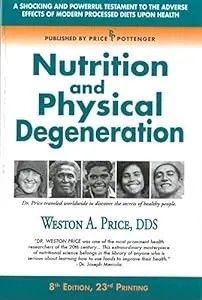
Weston A. Price
Nutrition and Physical Degeneration
Follow Price’s travels, photographs, and observations of traditional food cultures in the book at the heart of this archive.
Buy on AmazonBook & edition details →Modern 8th edition shown.
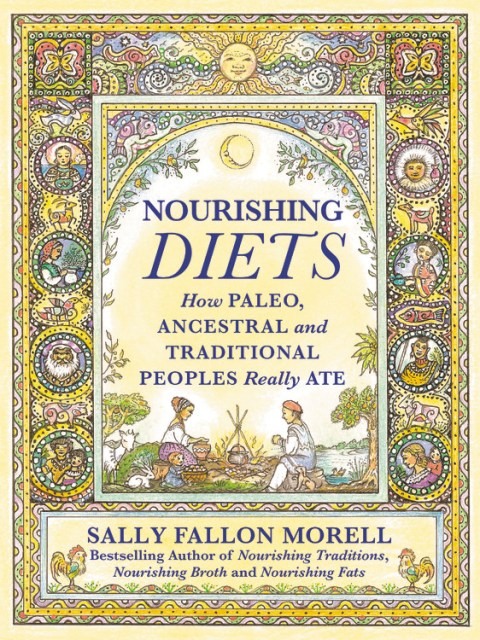
Sally Fallon Morell
Nourishing Diets
A wider journey through ancestral food cultures, their ingredients, and the preparation traditions that make each table distinctive.
Buy on AmazonBook & edition details →Continue into the original work
Read the papers behind this guide. Each record takes you to a preserved scan or its source collection.